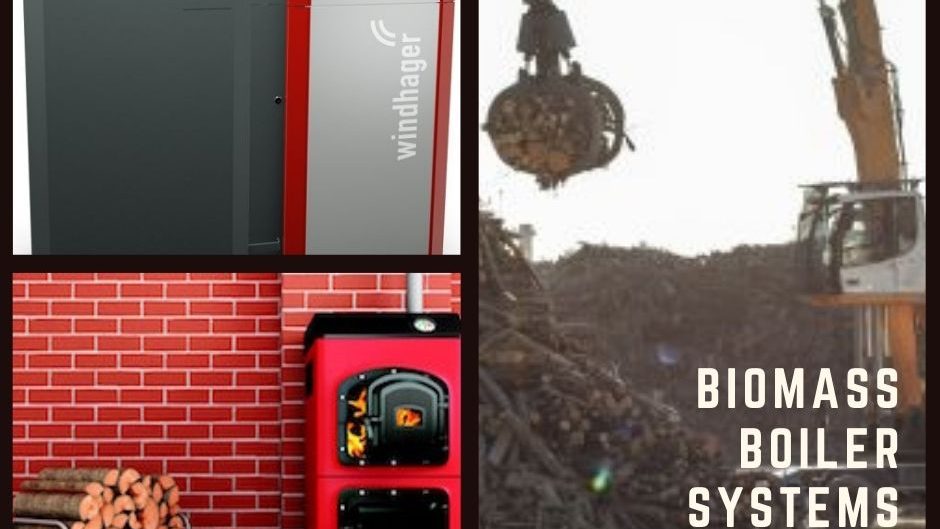
Firstly, What is Biomass? A Biomass boiler uses natural organic fuels such as logs, wood chips and other organic fuel pellets. Which they burn to create energy for heating or to power hot water boilers. Biomass boilers and other renewable technologies have come along way in the last decade and if you have access to the fuel then biomass could potentially work for your household. The short answer is Biomass products are systems that can burn organic materials and produce renewable energy for our households or business premises. The most commonly used materials in the UK are the wood-based options...
Continue reading...Fab Floor | Great Home Improvements At Great Prices
Best Double Glazing Companies in 2021
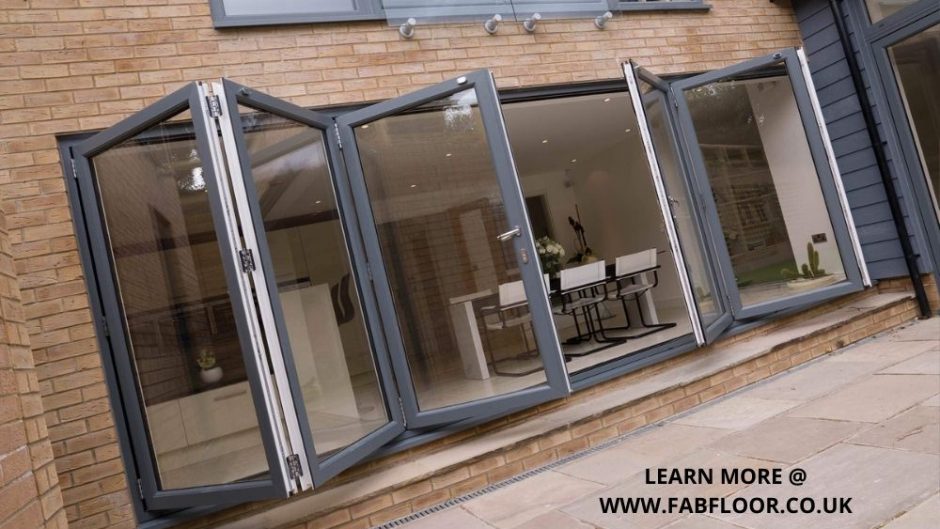
Installing Double Glazing is one of the largest home improvements you can make to your home!
In this article we are going to be covering which are the best double glazing companies in 2021 in the UK.
If you are thinking about upgrading your windows and doors there are literally hundreds of companies out there.
From local to national the choices are vast. So which should you choose?
Continue reading...Double glazing windows, why should you fit them?
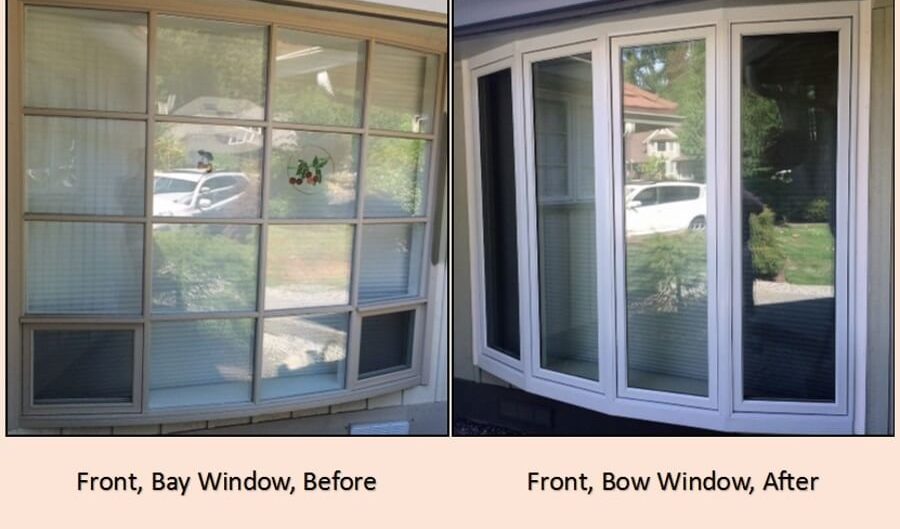
Keep the warmth in your home all year round. Did you know that you can lose up to 75% of the heating in your home if you still have single-pane glass in your home? This can have a massive impact on your annual bill costs. Don’t be worried double glazing can help. Double glazing has the advantage of 2 panes of glass and an air gap in between. Air is not a very good heat conductor; therefore, the heat struggles to escape meaning more warmth for your home and lower energy bills. Double Glazing can keep you and your family...
Continue reading...How Much Do Double Glazed Windows Cost?
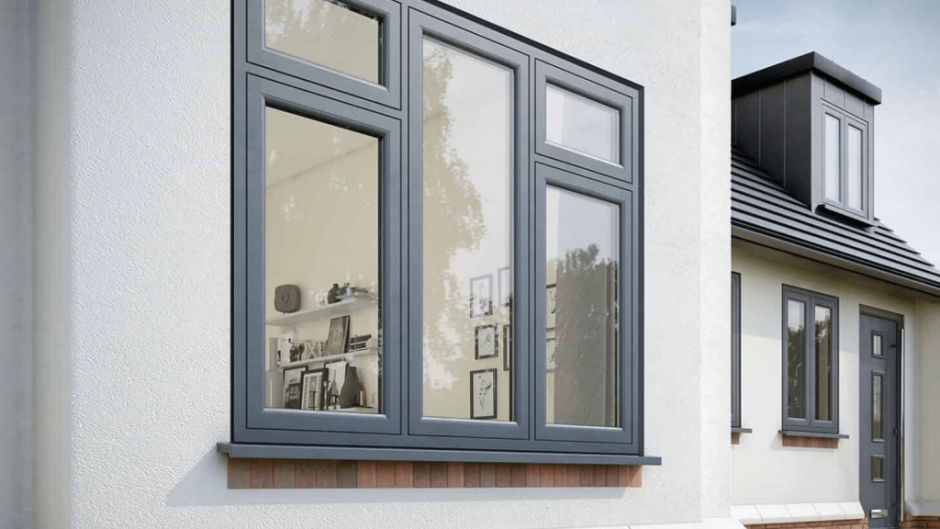
It is hard to give an accurate price for how much double-glazed windows cost. When it comes to home improvements, cheaper isn’t always the best way to go.
In fact, investing in higher-quality windows and doors might actually save you more money than the initial cost! There are many ways that you can save on your energy bills, with the most common being double glazing.
Continue reading...Dispose Of Broken Window Glass Correctly
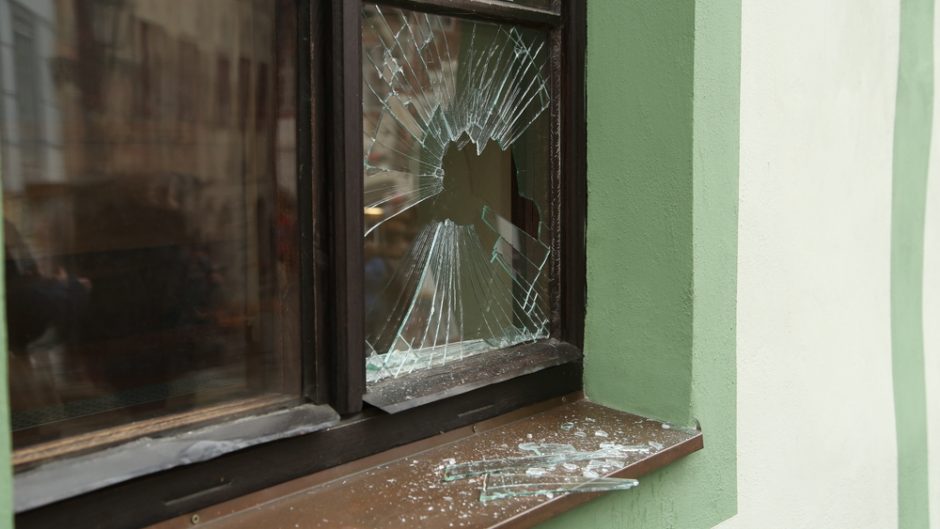
Want to know how to dispose of broken window glass?
Broken windows are not good. Not only are they dangerous and a risk harming somebody, but they also look terrible.
A number of different external factors or incidents can cause a broken window, such as an accident or adverse weather conditions. These factors leave a pile of smashed glass over the floor.
Continue reading...